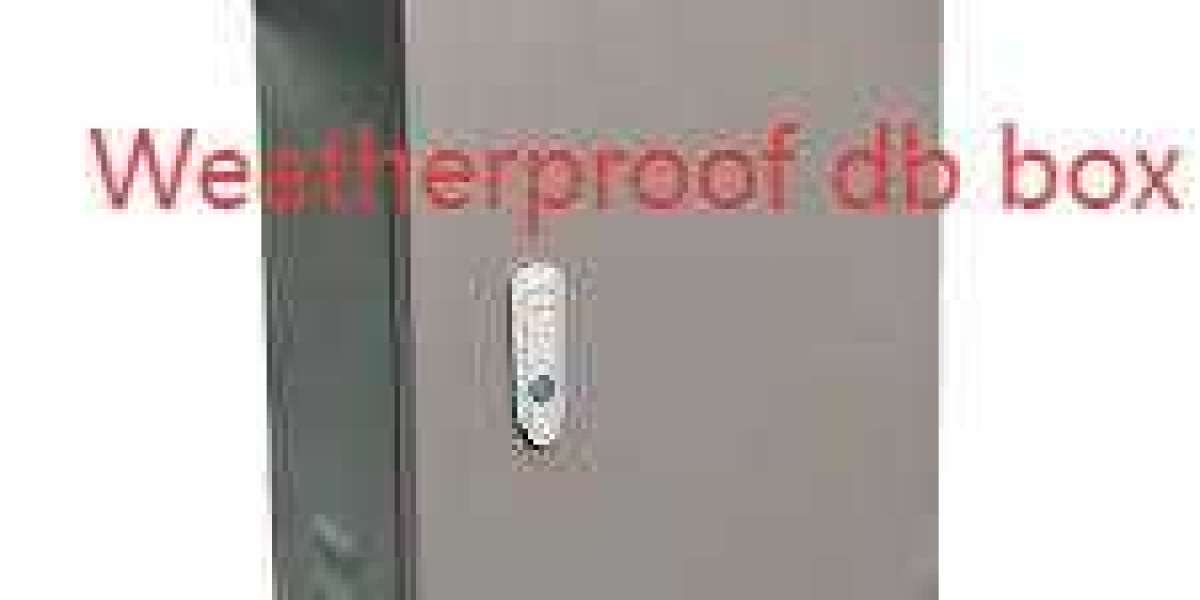

A properly specified Weatherproof db box sits at the intersection of mechanical protection, electrical reliability, and long-term maintainability, and choosing the right unit early in a project prevents expensive field failures and retrofit headaches. This article examines practical selection criteria, installation tactics, thermal and moisture control strategies, and service-oriented features that help engineers, contractors, and asset managers get measurable uptime from outdoor distribution installations.
Materials, Seals, and Mechanical Integrity
Longevity starts with appropriate materials and sealing geometry. Choose housings resistant to the local corrosion profile—powder-coated aluminum or stainless steel for coastal zones, reinforced polycarbonate in low-corrosion urban sites—and insist on UV-stable finishes to avoid brittle plastics over time. Gasket design matters more than gasket material alone: a compression-controlled groove and captive fasteners keep torque consistent across servicing cycles. Reinforced door hinges, recessed mating surfaces, and tamper-resistant hardware reduce mechanical abuse and preserve ingress protection ratings while simplifying field access.
Internal Layout, Cable Management, And Modular Mounting
A thoughtful interior turns an enclosure into a system. Removable mounting plates, DIN rails, and labeled knockout patterns accelerate wiring and future changes. Integrated cable channels and strain-relief points manage conductor routing to reduce mechanical stress on terminals. Modular sub-panels and snap-in accessory plates let teams pre-configure distributor kits off-site and then perform rapid on-site swaps, cutting labor and minimizing energized exposure. For retrofit projects, favor enclosures with adaptable back-plates so existing conduit paths may be reused without compromising clearances or code compliance.
Thermal Control And High-Load Arrangements
Excess heat shortens component life and can cause nuisance trips. Passive strategies—reflective finishes, ventilated baffles that avoid direct water paths, and internal heat-spreading plates—reduce solar gain without adding moving parts. For high-current or tightly packed assemblies, specify filtered forced ventilation or compact heat exchangers sized to maintain safe operating temperatures. Place heat-generating components away from the door face and provide airflow channels that pull cool inlet air across critical components before exhausting it through protected outlets.
Installation Best Practices And Site Adaptation
Correct installation preserves rated performance. Secure flat, reinforced mounting surfaces to avoid panel distortion that can compromise seals. Use non-conductive spacers when mounting to dissimilar metals to prevent galvanic corrosion. Follow specified torque values on captive fasteners and apply corrosion inhibitors on exposed hardware in coastal or chemical environments. For pole- and pedestal-mounted applications, choose kits that include positive drainage and service access that can be operated safely at height.
Serviceability, Diagnostics, And Preventive Maintenance
Design for predictable service life by building easy access and diagnostics into the enclosure. Tool-free removable panels, captive screws, and clearly labeled terminal blocks reduce service time and human error. Integrate temperature sensors, humidity detectors, and fused-channel current monitoring where feasible so technicians receive early warnings of thermal stress, moisture ingress, or overloading. Regularly scheduled gasket checks, terminal torque verification, and thermal imaging during planned outages identify issues before they cause failures; maintain a small local spares kit for seals, fuses, and common terminal blocks to shorten repair cycles.
Storm Resilience, Security, And Recovery Planning
For installations in storm-prone or flood-exposed areas, elevate critical components, include pressure-relief or drainage bosses, and select removable covers for rapid post-event recovery. Security measures—tamper-proof fasteners, padlockable doors, and keyed access—help protect unattended installations. Consider including simple mechanical failsafes (drip shields, hinged rain hoods) so temporary field repairs can restore basic service until comprehensive repairs are feasible.
Sustainability, Lifecycle Costing, And Procurement Tips
Long-term value often comes from slightly higher initial investment in modular interiors, better gaskets, and quality finishes. Recyclable metal frames and repairable internals reduce long-term environmental impact; low-VOC coatings and responsible sourcing appeal to sustainability-minded specifiers. When procuring, request sample enclosures for dry-fit checks, clarify lead times for accessory kits, and confirm regional availability of spare gaskets and mounting plates to avoid long downtime waits.
Conclusion: Specify With Service In Mind
A reliable outdoor distribution strategy balances rugged mechanical protection, effective thermal control, and field-friendly servicing. Prioritize enclosures with modular interiors, proven sealing systems, and optional monitoring so maintenance moves from reactive to preventive. Thoughtful early specification reduces lifecycle costs and improves uptime for mission-critical outdoor systems. For detailed product specifications, mounting options, and accessory kits, visitwww.nante.com