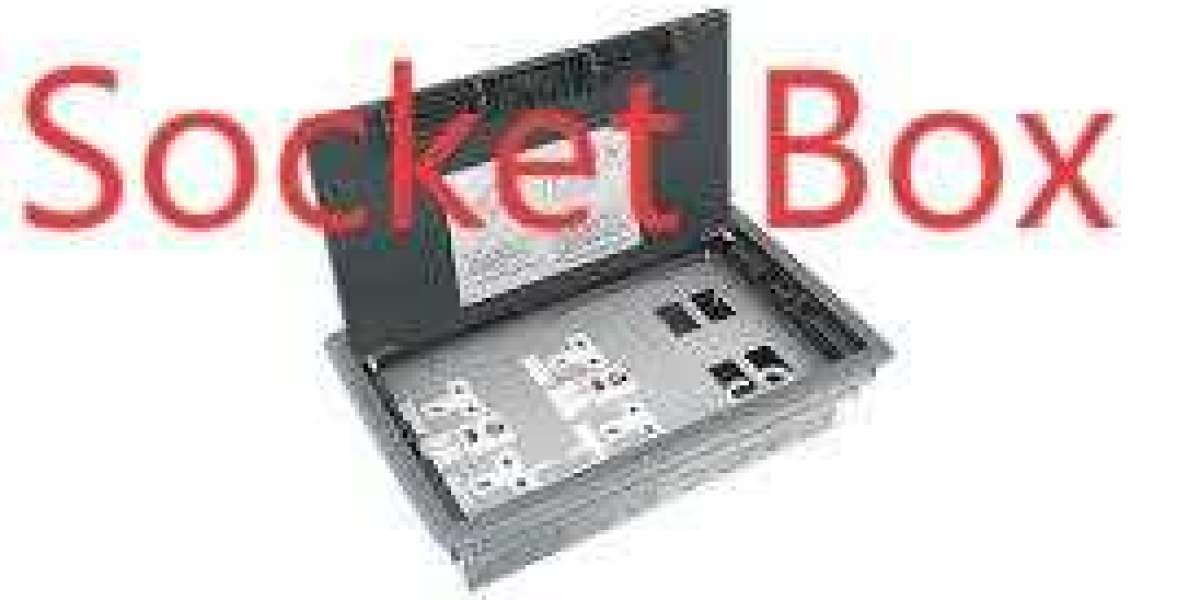

Early specification prevents costly field changes, so project teams often require a tested Electrical Socket Box during layout reviews to lock in cable routes and mounting clearances, and a correctly rated Electrical Socket Box reduces moisture risk, standardizes spare parts, and makes lifetime maintenance predictable. Choosing the right outlet enclosure at the start influences everything from ingress protection to technician safety, and thoughtful selection saves money by avoiding retrofit work and repeated site visits.
Assessing environmental exposure before selection
Begin by characterizing the installation environment: will the enclosure face direct rainfall, splash washdowns, airborne dust, chemical vapors, or regular UV exposure? Each hazard moves the specification needle. For example, an IP54 rating may be fine for sheltered exterior use, while coastal or washdown locations typically demand IP66/67-rated solutions and corrosion-resistant hardware. Consider peak and minimum temperatures, exposure cycles, and whether condensation or pressure differentials might form inside the cabinet—these factors dictate gasket materials, venting strategies, and whether pressure-equalizing elements are appropriate.
Materials, finishes, and long-term corrosion resistance
Material choice determines durability and maintenance cadence. Powder-coated aluminium balances weight and corrosion resistance for many commercial applications, while 316 stainless steel is preferable in coastal or chemical environments. Reinforced thermoplastics and GRP (glass-fiber-reinforced polyester) offer impact resistance and electrical insulation where metal might not be ideal. Fastener, hinge, and lock hardware should match the enclosure’s corrosion class to avoid galvanic reactions and seizure over time. UV-stable paints and passivation treatments help maintain both appearance and protective performance across years of sunlight exposure.
Installation and cable entry best practices
Even the best enclosure can fail if installed poorly. Place cable entries to avoid direct water pathways—side or bottom gland plates with drip loops often outperform top entries in practice. Use correctly sized cable glands with integrated strain relief and torque them to manufacturer values to preserve sealing integrity. Reinforce mounting substrates to prevent deformation from repeated access or external impact, and leave service clearance inside for access to terminals and breakers. Document torque values and gland types used at each site to simplify later inspections and to ensure consistent reassembly after maintenance.
Nante modular accessories and compatibility options
Selecting a manufacturer with a robust accessory ecosystem reduces on-site labor and spare-part complexity. Nante offers modular DIN-rail kits, plug-in protection assemblies, pre-cut gland plates, and service packs for common wear items such as gaskets and dust caps. Modular inserts and standardized mounting footprints let technicians upgrade or replace internal modules without swapping the entire enclosure, lowering spare-part counts and shortening repair times. Asking suppliers for CAD cutouts and accessory lists during procurement prevents costly mismatches on delivery day.
Thermal planning, internal layout, and electrical segregation
Thermal management is essential for component longevity. Separate high-current feeders from sensitive control electronics and provide natural convection paths to dissipate heat. Passive strategies such as spacer mounts, heat-dissipating plates, and strategic component placement are preferred because they avoid additional failure points. If active cooling is necessary, specify filtered fans or filtered vents rated for the enclosure’s IP class and include filter-change intervals in maintenance schedules. Maintain clear segregation of power and control wiring to reduce interference and simplify troubleshooting.
Maintenance schedules, spare-part strategy, and lifecycle cost control
Routine preventive maintenance extends service life and reduces unplanned outages. Inspect gasket seating, hinge operation, and fastener torque at fixed intervals determined by site severity. Replace soft consumables—gaskets, gland seals, vent filters—on a proactive schedule rather than waiting for visible failure. Keep a compact spare kit near major installations containing replacement gaskets, dust caps, and at least one plug-in protection module to shorten repair time. Track maintenance records and failure trends to refine material choices and service intervals for similar future sites.
Procurement guidance and documentation to request
When acquiring enclosures, require independent test certificates for IP/IK ratings, material traceability, and production inspection records. Ask for CAD drawings, cutout templates, and wiring diagrams early so integrators can resolve cable-entry and clearance issues before fabrication. Prioritize suppliers who publish accessory lists, offer service kits, and provide clear installation guides—these reduce lifecycle costs and simplify field servicing. A slightly more expensive, properly rated enclosure often decreases total cost of ownership by cutting replacements and reactive maintenance.
Selecting the right electrical socket housing means balancing environmental protection, mechanical robustness, thermal planning, and serviceability. Prioritize tested sealing systems, corrosion-resistant construction, and a vendor ecosystem that supports modular upgrades and spare parts to achieve reliable, long-lived installations. For model guidance, documentation, and spare-part support, visit www.nante.com