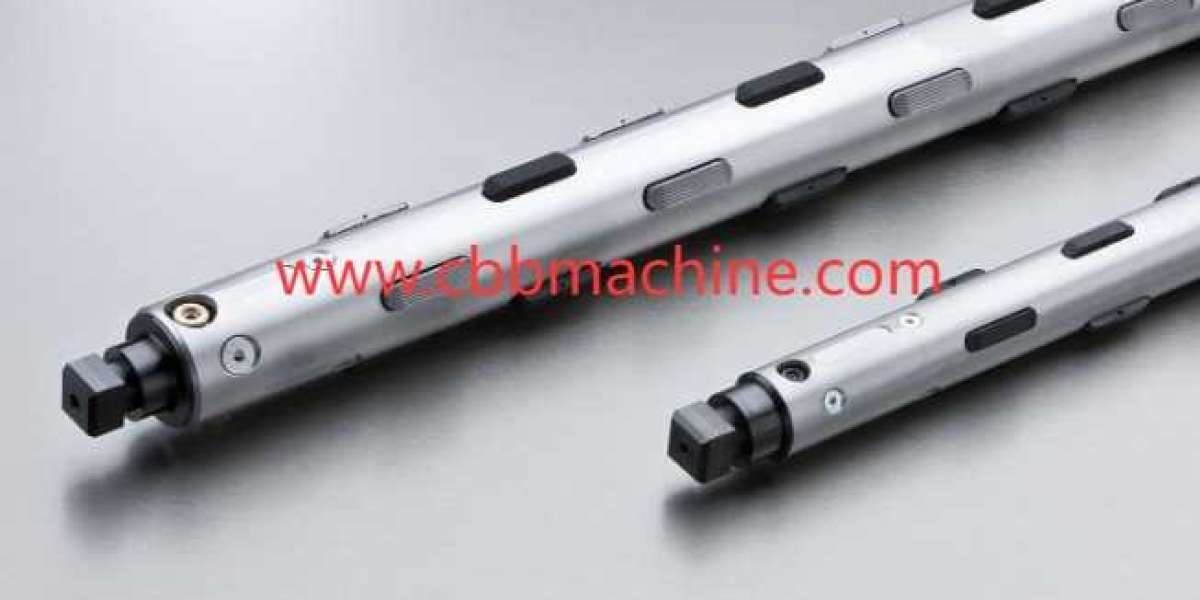

When production environments call for steady handling of rolled materials, the Air Shaft introduced by Cbbmachine becomes an early point of interest. It often stands at the center of conversations about stable winding, secure gripping, and reliable transitions from one manufacturing stage to another, especially in facilities seeking controlled movement without unnecessary complexity.
A key aspect of this component is its ability to bring order to tasks that typically involve manual intervention. Many operators appreciate a setup that allows smoother engagement between machine and material, reducing interruptions caused by uneven tension or slipping surfaces. In applications ranging from packaging processes to converting workflows, the design supports a balanced grip that helps maintain consistency even when equipment cycles shift speed or direction.
Another notable detail involves its adaptability. Many operations require fast adjustments or changes in roll width, and a device that responds to such variations without demanding excessive downtime can become an important fixture on the production floor. Its flexible configuration aligns with situations where switching between materials is frequent, helping teams maintain a cleaner, more predictable routine throughout the day.
Durability also plays a role in its appeal. Manufacturing teams generally prefer components that maintain stable performance across long operating periods. Designs that reduce wear points or simplify maintenance routines create fewer interruptions and encourage a more streamlined schedule. When equipment stays predictable, planning becomes easier, and output tends to maintain a steady rhythm that supports broader operational goals.
Safety considerations further reinforce its value. Consistent grip strength and controlled expansion help reduce risks associated with unstable roll handling. When tension remains manageable and predictable, operators can approach adjustments with more confidence, promoting an environment where routine tasks stay calm and structured.
Users often comment that a dependable component is not only about daily function but about how it supports long-term workflow refinement. As processes evolve, having equipment that adapts without demanding full system changes brings both convenience and continuity. This type of stability can contribute to clearer planning, simpler training, and smoother coordination between production stages.
In industries where every shift carries different requirements, a component that supports both repetition and variation proves helpful. Whether a facility handles lightweight films or thicker substrates, a balanced approach to grip and release can influence how efficiently tasks unfold. Smooth transitions reduce unnecessary tension spikes, helping preserve materials and machinery alike.
As companies adjust their production strategies, thoughtful component selection becomes part of long-range planning. A well-designed device that handles diverse roll conditions can support broader process improvements without calling for disruptive reengineering. Teams aiming for predictable output often start with components that influence core steps in their daily cycle.
If you are shaping a clearer path toward steadier material handling, consider taking a closer look at how this component fits within your workflow. A short visit to https://www.cbbmachine.com/ may give you a perspective that nudges your next operational decision in an unexpectedly practical direction.